


The latest blog from Taro Pumps and Texmo Industries
From product launches and company news to exclusive research and pump related articles, keep checking back to stay in the loop.
Latest Posts

Posted On 23/08/2022 in Better, By , Texmo Industries & Taro Pumps
Collaboration – Across the Board
We have over 2100 people- engineers, researchers, quality experts, IT professionals, salespeople, office staff, designers, productivity pundits, technicians, customer service personnel, etc to sustain the Taro brand & Team Texmo.
Read More
Posted On 16/08/2022 in Better, By , Texmo Industries & Taro Pumps
Better, By Collaboration, For The Community
Texmo Industries has not limited itself to making pumps and motors alone. We have invested in infrastructure, and life-enhancing services for the community at large.
Read More
Posted On 11/08/2022 in Climate & Weather
Indian Agriculture's Relationship with Monsoon
Indian agriculture depends on the monsoon - but this statement cannot be made in a vacuum. There are so many nuances here. There is also, a lot of debate regarding the importance of reducing Indian agriculture’s dependence on monsoons.
Read More
Posted On 08/08/2022 in Soil & Water , Sustainability
Agronomy in India
Agronomy looks at agriculture from a holistic perspective which includes environmental factors, innovation, conservation of soil health and climate change etc.
Read More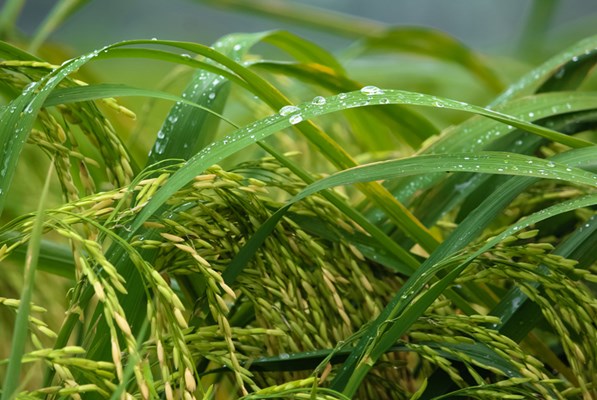
Posted On 04/08/2022 in Crops
Rice Crops & Production in India
“How many types of rice does India grow?” The answer ranges from ‘5 to 50’. India is doing enormously well in rice exports. Record exports in basmati and non-basmati are ensuring that India’s rice is feeding the world! China has started importing non-basmati rice from India.
Read More