


The latest blog from Taro Pumps and Texmo Industries
From product launches and company news to exclusive research and pump related articles, keep checking back to stay in the loop.
Latest Posts
Posted On 01/07/2022 in Technology
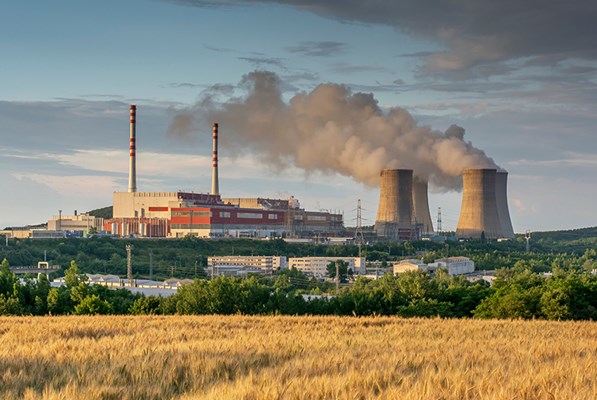
Nuclear Tech in Agriculture
You can associate nuclear technology with space exploration, energy, criminal investigations and even the field of medicine. But, would you associate it with actual ‘fields’, as in farming? Nuclear tech is, indubitably, a sophisticated science and only a strategic partnership between farmers, scientists and academic bodies can bring about positive developments.
Read More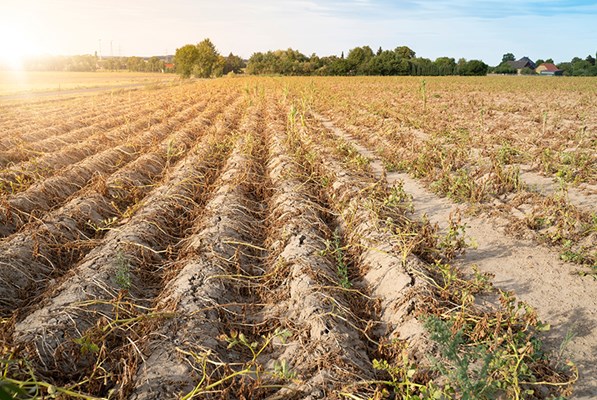
Posted On 28/06/2022 in Climate & Weather
Managing Agriculture Drought
Indian agriculture is heavily dependent on monsoons. Therefore, the timing of the monsoon is critical to every farmer across the country. The monsoons contribute around 89 cm of the 116 cm of rain that India receives every year. India’s dependence on rainfall also means that agriculture drought is a very real risk and has to be managed.
Read More
Posted On 22/06/2022 in Climate & Weather
Climate Resilient Agriculture
Taro has been committed to delivering high quality pumps for every requirement for more than 6 decades now. In this time, we have had many firsts to our credit. In the early 1970s, we launched the Texmo line of monoblock pumps, a first in the country. Our pumps were the first to incorporate fins in the motor design to improve efficiency and performance.
Read More
Posted On 19/06/2022 in Nutrients & Fertilisers , Technology
Nano-Tech Fertiliser
Nano-tech fertiliser is the method in which all necessary nutrients for the crop are packed into a nano-sized ‘container’ and delivered to the roots. The underlying principle of nano-tech fertiliser is both, the size and targeted delivery.
Read More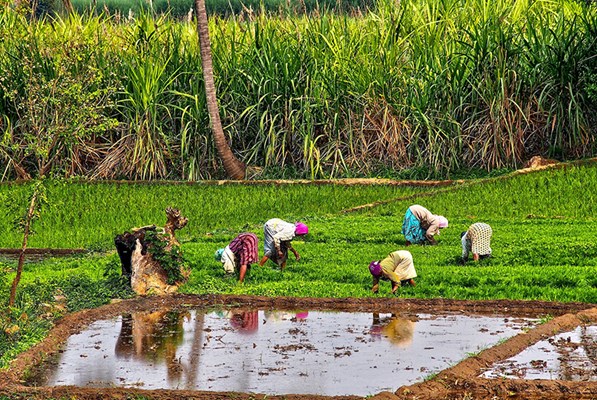
Posted On 16/06/2022 in Farming Types , People in Agriculture , Sustainability
Zero Budget Natural Farming in India
Padma Shri Subhash Palekar drew from ancient Indian texts, forest ecosystems and a formal degree in agriculture to develop and propagate ZBNF in the 1990s. This system relies on traditional practices to produce crops devoid of chemical inputs and in effect, revert to the pre-Green Revolution period of farming.
Read More