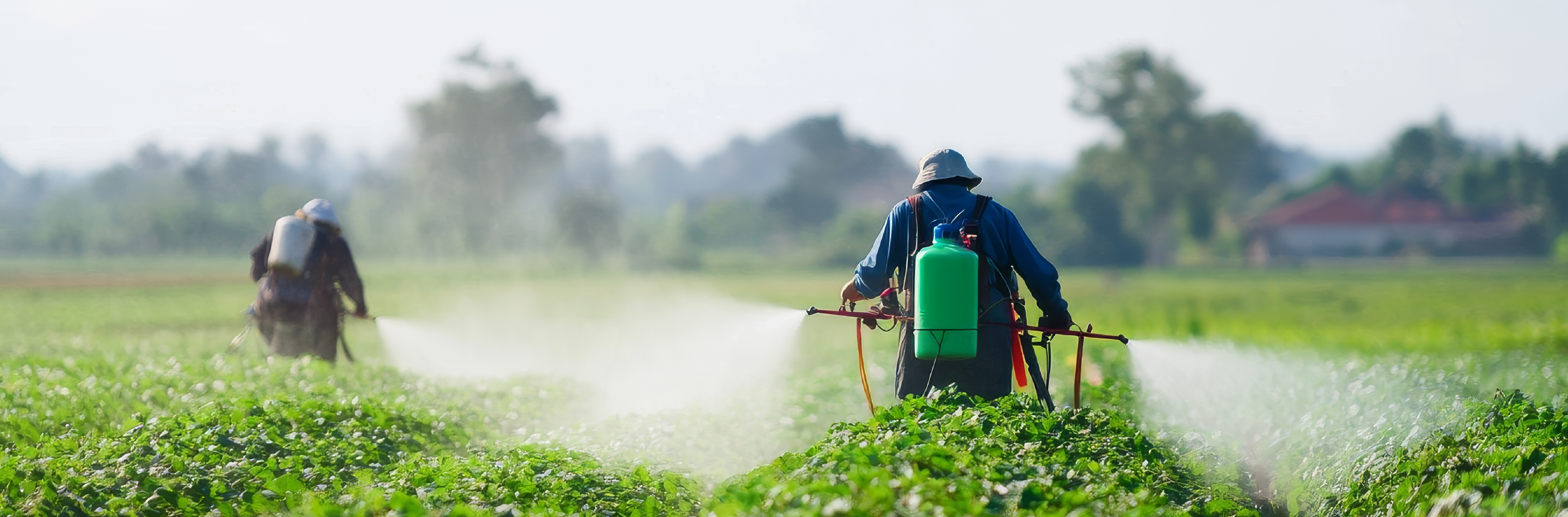


Importance of Nutrients and Fertilisers in Indian Agriculture: Balancing Soil Health for Better Yields
An important aspect of agriculture in our country focuses on ‘What lies beneath: the nutrient truth about Indian farming.’ The role of nutrients in crop growth and productivity is critical. It is therefore relevant to delve into some information on fertilisers in Indian agriculture.
Fertilisers in India
The term fertiliser denotes any material (synthetic / natural) that is added to the soil to supply nutrients to crops. There are multiple ways of classifying fertilisers:
-
Straight: primary nutrients–nitrogen or phosphorus or potassium
-
Complex: combinations of primary nutrients
-
Mixed: physical mixtures of straight fertilisers
-
Solid: powder / crystals / briquettes
-
Liquid: applied with irrigation water
They can also be categorised into chemical fertilisers, organic, and biofertilisers. It is also useful to think of fertilisers as products that help replenish essential nutrients in the soil.
The role of nutrients in crop growth
All plants need around seventeen essential nutrients. These are broadly classified into:
-
Macronutrients: NPK or nitrogen (N), phosphorus (P), and potassium (K)
-
Micronutrients: zinc, iron, manganese, copper to name a few
Each macronutrient plays a particular role for better yields. Nitrogen support growth and photosynthesis. Phosphorus is good for energy transfer and root development. Potassium helps plants in disease resistance, and water regulation. Micronutrients help in various aspects such as seed germination, reproductive growth, stomatal function, nitrogen metabolism etc. Micronutrients may be needed in traces–but their impact on yield is large.
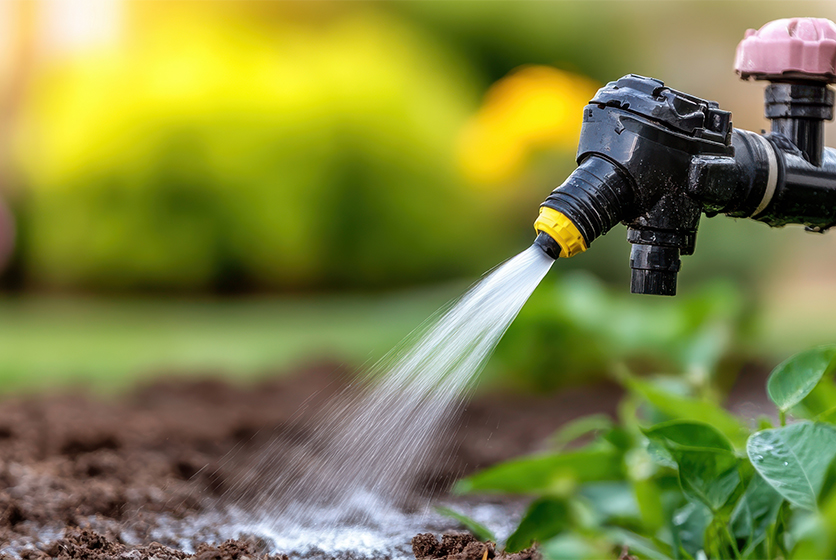
India’s usage
Globally, India is the second-largest consumer of fertilisers. Our country accounts for around 14.8% of global nutrient consumption. With the surge in fertiliser use, India has also seen an increase in food grain production since the 1970s – a threefold increase, supported by a more than 11-fold increase in nitrogen fertiliser use.
On the other hand, India is also dealing with a slow-down in productivity mainly because of imbalanced fertilisation. Over-dependence on nitrogen has led to:
-
Micronutrient deficiencies
-
Soil degradation
-
Groundwater contamination
-
Decline in fertiliser efficiency
The Soil Health Card scheme is one of the ways in which India is attempting to manage nutrient & fertiliser use. As of July 2025, more than 25 crore Soil Health Cards have been distributed to farmers who are supported further by:
-
8,272 soil testing labs
-
Mapping of around 290 lakh hectares of soil
-
Training & demonstration sessions
The impact of all this has been a reduction in urea usage & increase in potassium usage. The cards have also helped farmers derive a savings of around 10% in fertiliser usage. Perhaps most importantly, this initiative has helped promote healthier, more productive soil.
What lies ahead?
India continues to increase its fertiliser consumption but is also focusing more on quality of use rather than quantity. Emphasis on sustainability and precision are driving balanced nutrient application, increasing use of biofertilisers, and adoption of innovative methods such as fertigation.
Integrated Nutrient Management (INM) which is a holistic approach to maintaining optimum levels of plant nutrients is also helping redefine the approach to nutrition for crops. Nutrient balance can be better achieved by combining organic manure, chemical fertilisers, other natural sources, and biofertilisers. INM has helped optimise crop yields in many ways.
Nutrients impact agricultural productivity, and fertilisers deliver these nutrients. Feeding the soil responsibly today ensures food security tomorrow.