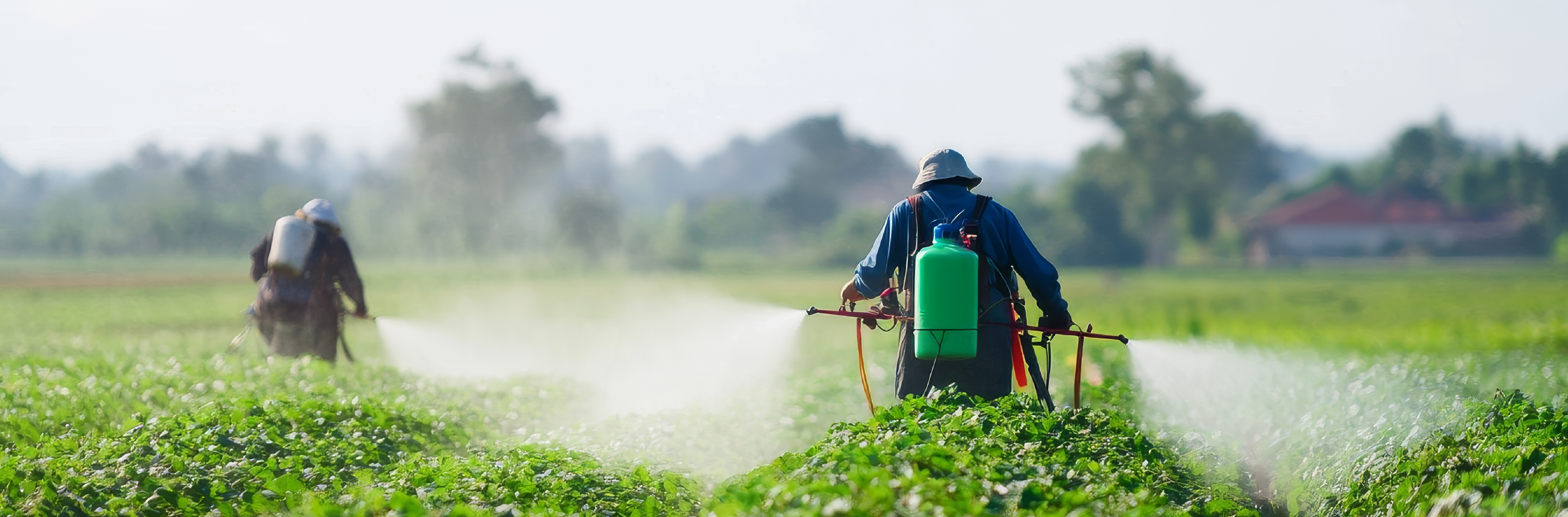


Common Water Pump Problems—Easy Ways to Avoid Them
Water pumps are the mainstay of water management in agriculture, homes, industries, and commercial establishments. Whether you're irrigating crops, supplying water to livestock, managing an aquaculture establishment, or ensuring a steady household water supply, a pump breakdown can quickly disrupt daily operations & become a source of great stress.
Certainly, modern pumps are built for reliability. At Taro Pumps, for instance, we are careful about the materials we use and the high-quality processes we deploy to transform these materials into world-class pumps.
But, pumps are still susceptible to wear, environmental conditions, and operational mistakes. Understanding the most common water pump problems in India and knowing how to prevent them can save time, money, and costly downtime.
In this guide, we'll explore the most common pump issues, their causes, and simple, practical solutions to keep your pump ecosystem running efficiently.
1. Dry running: the silent but most popular cause of problems
Dry running occurs when a pump operates without sufficient water flowing through it. Since water acts as both a lubricant and a coolant, running dry can rapidly damage critical components.
Most common causes:
-
Falling groundwater levels
-
Empty water tanks or reservoirs
-
Blockage in suction lines
-
Faulty water level sensors
-
Incorrect pump selection
A few warning signs:
-
Unusual vibration
-
Rising motor temperature
-
Reduced water output
-
Abrupt or sudden pump shutdown
How to avoid it:
-
Install dry-run protection devices—like our Smart Panel
-
Regular monitoring of water levels
-
Check suction pipes for blockages
-
Use automatic controllers that stop the pump when water levels are low
Preventing dry running is one of the most important water pump maintenance tips, especially in agricultural regions where groundwater availability can fluctuate seasonally.

2. Overheating: When pumps work too hard
Taro Pumps are built to work hard! But, overwork does not bode well for them either! Overheating is among the most common agricultural water pump problems and can lead to motor failure if ignored.
Most common causes:
-
Continuous operation beyond recommended limits
-
Low voltage or huge voltage fluctuations
-
Dry running
-
Poor ventilation around the motor
-
Worn bearings
A few warning signs:
-
Hot motor casing
-
Burning or acrid smell
-
Frequent tripping
-
Reduction in efficiency
How to avoid it:
-
Ensure proper electrical supply & connections—use good quality wires & cables
-
Follow manufacturer operating guidelines—also helps avoid warranty claims
-
Keep ventilation areas clean and unobstructed
-
Schedule regular inspections of bearings and moving parts—a certified technician helps immensely
A pump that consistently runs hotter than normal should be checked immediately to prevent minor issues from becoming major repairs.
3. Low water pressure: reduces performance and productivity
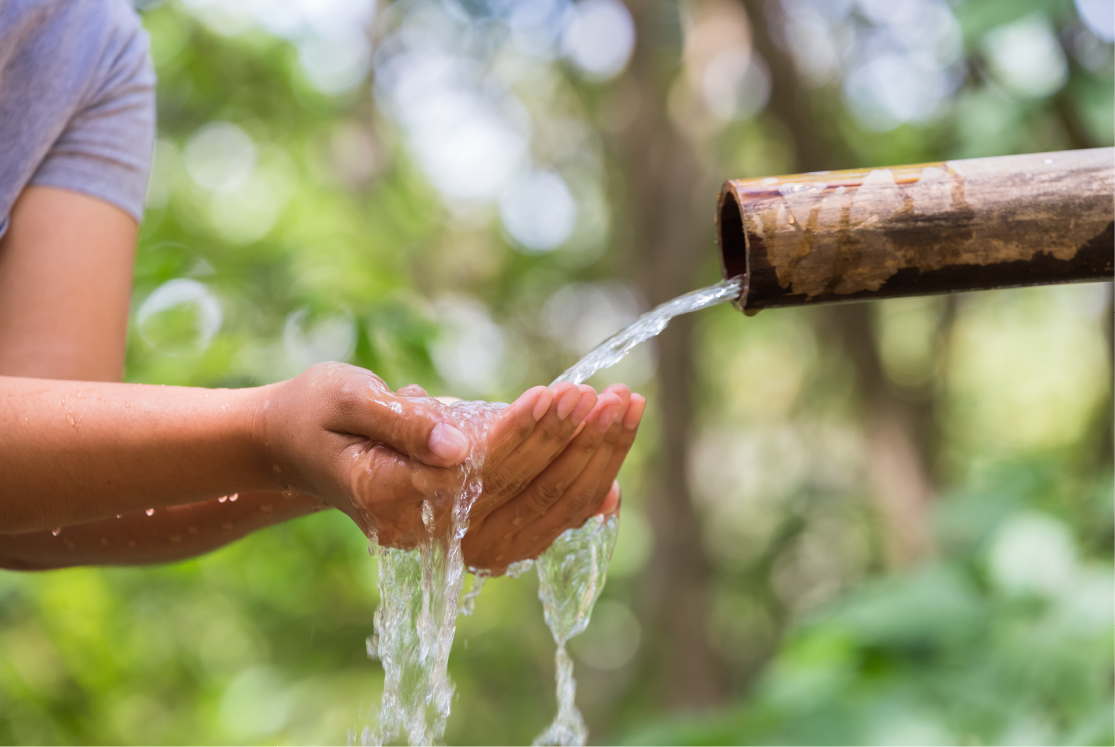
Imagine your frustration with a pump that runs normally but delivers weak water flow.
Most common causes:
-
Clogged/blocked filters, pipes, or other parts of a pump
-
Air leaks in suction lines
-
Worn-out impellers
-
Incorrect pump sizing
-
Falling water levels
A Few Warning Signs:
-
Weak irrigation flow or output
-
Slow speed of tank filling
-
Uneven sprinkler performance
-
Reduced discharge pressure
How to avoid it:
-
Clean filters regularly—preventive maintenance can be better than repair
-
Inspect pipelines for leaks—again, a certified technician can help here
-
Replace worn impellers when necessary—invest in genuine spares & accessories
-
Choose the correct pump capacity for the application—you can read more here
When troubleshooting a water pump, pressure-related issues should be investigated early, as they often indicate underlying wear or system inefficiencies.
4. Excessive noise and vibration
A healthy pump should operate relatively smoothly. Well-engineered pumps will not make a racket, but no pump runs 100% in absolute silence. However, unusual noises often signal mechanical or hydraulic problems that require attention.

Most common causes:
-
Loose mounting bolts
-
Worn bearings
-
Cavitation—the problems that vapour bubbles cause inside a liquid
-
Misaligned components
-
Air entering the system
A few warning signs:
-
Grinding sounds
-
Rattling noises
-
Excessive shaking
-
Increased vibration
How to avoid it:
-
Secure all mounting hardware
-
Inspect bearings regularly
-
Ensure adequate water supply
-
Follow proper installation practices—you can read more about the importance of installation here
Ignoring unusual sounds can lead to expensive repairs and shortened equipment life.
5. Water leakage: small problem, big consequences
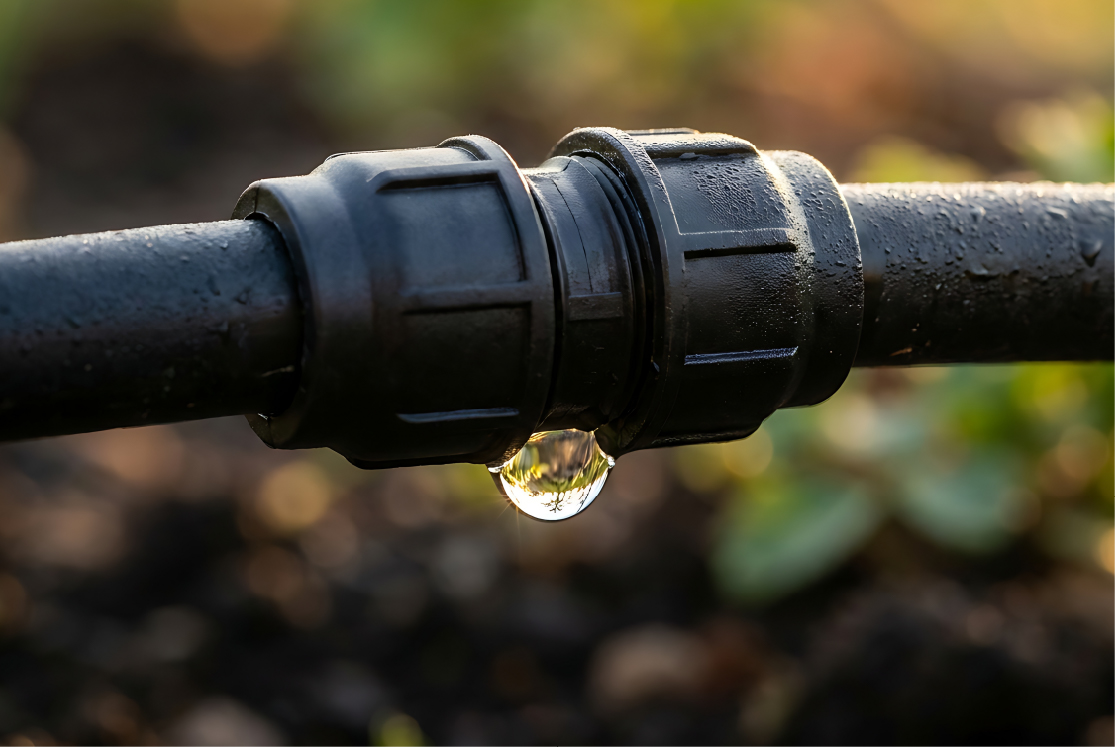
Even minor leaks or little drips can waste water, reduce efficiency, and increase operating costs over time. Not to mention the extra water bills that you will have to pay.
Most common causes:
-
Damaged seals
-
Worn gaskets
-
Corroded pipe connections
-
Cracked pump housing
-
Improper installation
A few warning signs:
-
Water around the pump base or around the inlet/outlet pipes
-
Declining pressure
-
Frequent pump cycling
-
Visible drips from joints and other spots in the plumbing system
How to avoid it:
-
Inspect seals and gaskets periodically
-
Tighten pipe connections
-
Replace damaged components promptly—your dealer can help connect you to authorised service centres
-
Address corrosion well in advance, and before it spreads
A proactive approach can prevent a simple leak from becoming a major pump repair expense, which is disruptive in multiple ways.
The Importance of Proper Installation
Many pump failures begin long before the pump is switched on. Incorrect installation places unnecessary stress on the motor, bearings, and hydraulic components. We urge all our customers to avail themselves of the services of a Taro Certified Technician to ensure proper installation.
Proper installation includes a few important aspects:
-
Correct pump sizing
-
Proper pipe alignment
-
Adequate electrical protection & insulation
-
Suitable foundation and mounting
-
Appropriate cable and wiring selection
A professionally installed pump system operates more efficiently, consumes less energy, and lasts longer.

Preventive Maintenance: The Key to Long-Term Reliability
The best way to avoid unexpected breakdowns is through routine maintenance. You know what they say about 'a stitch in time saves nine'!
Basic/essential maintenance checklist:
✔ Inspect electrical connections regularly—a qualified electrician can help
✔ Check for leaks and unusual noises
✔ Clean filters and strainers with safe & accepted procedures
✔ Monitor pressure and flow rates
✔ Lubricate moving parts where applicable, regularly
✔ Verify voltage supply
✔ Schedule periodic professional servicing—use someone who not only knows what to do but will do it with diligence
These are very simple water pump maintenance tips that can significantly reduce repair costs and improve pump performance year-round.
Why Quality Products and Service Support Matter
Not all pumps are created equal. At Taro Pumps, we believe in being better because of our materials, expert manufacturing methods, and the people who support our customers. Investing in a high-quality pump from a trusted manufacturer can dramatically reduce maintenance issues and downtime.
Reliable manufacturers provide:
-
Durable construction based on good engineering & manufacturing know-how
-
Energy-efficient designs
-
Advanced protection features that also give you peace of mind
-
Spare parts availability—Taro Pumps promises spare parts availability for 15 years
-
Strong after-sales service support
-
A nationwide service centre backup
-
Warranty process—for instance, Taro Pumps gives you complete peace of mind with a 2-year warranty

For farmers, homeowners, and businesses alike, dependable service support is just as important as the pump itself. Quick access to technical assistance and genuine replacement parts can keep operations running smoothly when challenges arise.
In Conclusion
Understanding the most common water pump problems in India helps users—homeowners, business owners, building managers, farmers, etc— identify issues well before they become costly, frustrating, and disruptive failures. Whether it's dry running, overheating, low pressure, excessive noise, or leakage, most problems can be prevented through proper installation, routine maintenance, and the use of quality equipment.
An optimum amount of preventive care today can help save significant repair expenses tomorrow. By following a consistent maintenance schedule and choosing reliable pump solutions, users can enjoy better performance, improved efficiency, and longer pump life.