

Agricultural Wastewater Treatment: 5 Safe Water Management Tips for Indian Farmers
Water is the backbone of Indian agriculture. Yet, farmers across the country are facing increasing challenges—from declining groundwater levels and erratic rainfall to rising water pollution and growing irrigation costs. As water becomes an increasingly precious resource, managing every drop efficiently is no longer optional—it's essential.
Agricultural wastewater management is gaining significant attention. It's important to remember that wastewater is not just a problem; it can become a valuable resource when treated and reused correctly. Modern farming practices are exploring agricultural wastewater treatment, helping farmers reduce water waste, lower costs, and build more sustainable agricultural operations.
Here are five practical water management tips every Indian farmer should know.
1. Identify the Sources of Agricultural Wastewater on Your Farm
The first step toward effective agricultural wastewater management is understanding where wastewater is being generated.
Common sources of agricultural wastewater include:
-
Irrigation runoff from fields
-
Livestock, dairy, and aquaculture operations
-
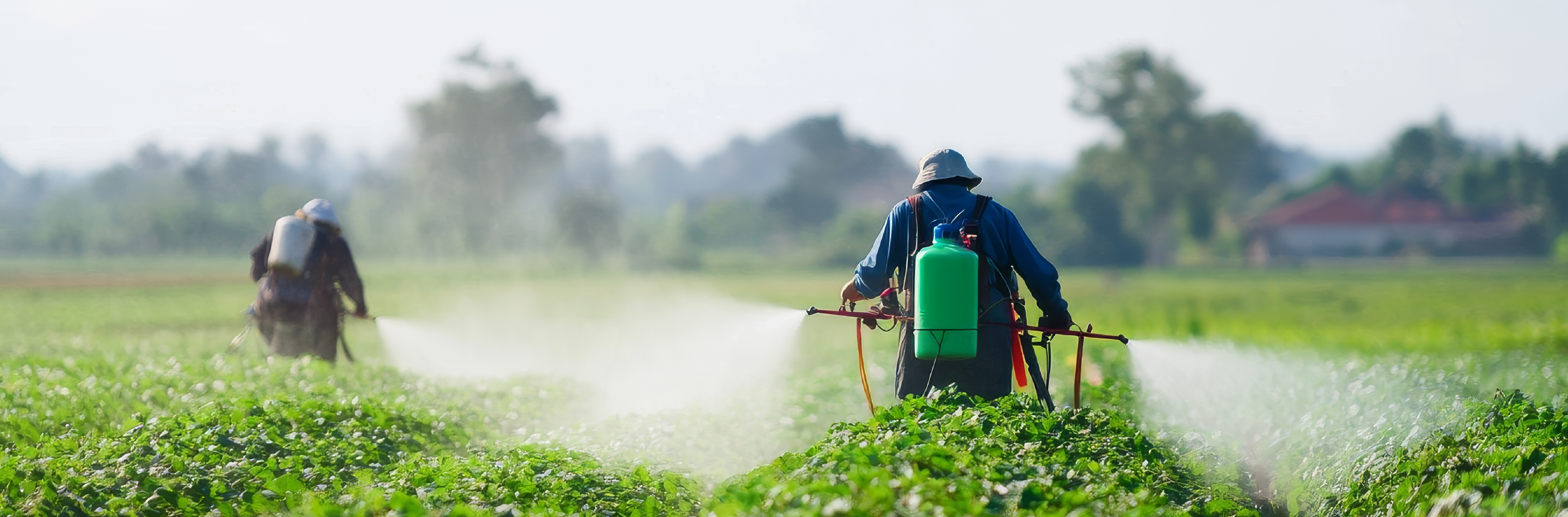
Fertiliser and pesticide wash-off
-
Cleaning of equipment/storage area/machinery
-
Food processing and post-harvest activities
When left unmanaged, this wastewater can carry nutrients, chemicals, sediments, and organic matter into nearby water bodies, affecting both environmental and agricultural health.
By identifying wastewater sources, farmers can implement targeted treatment and reuse strategies rather than allowing valuable water resources to go to waste.
2. Treat Wastewater Before Reusing
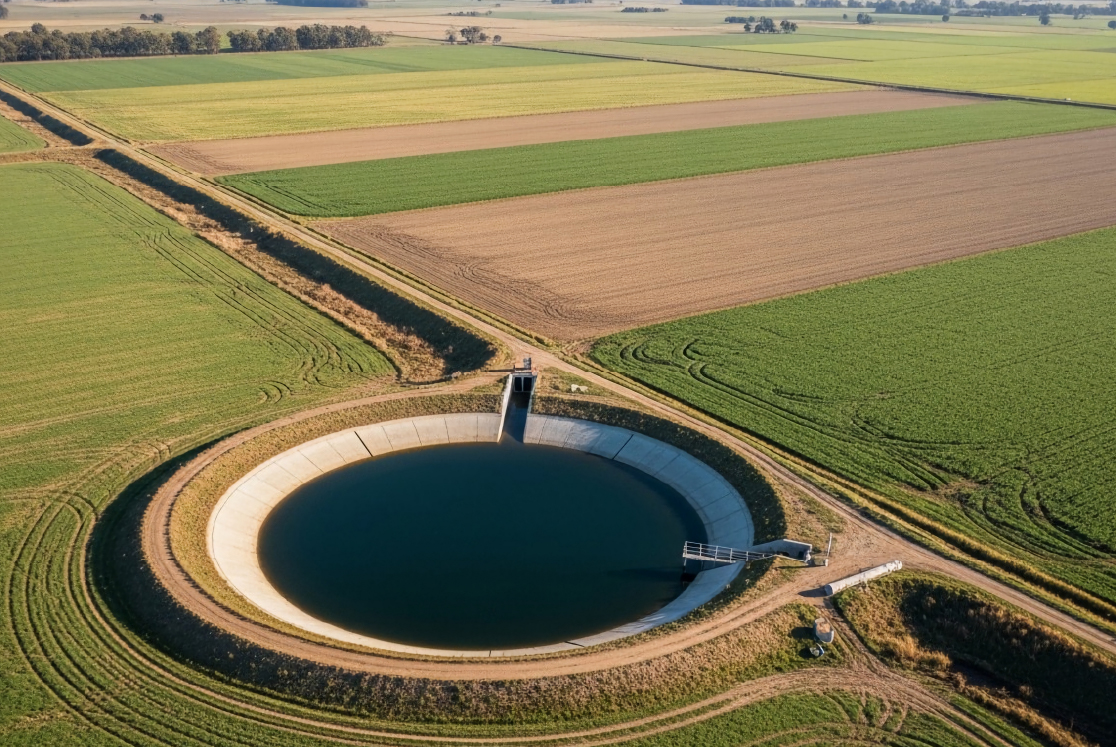
Not all wastewater can be reused directly. Proper agricultural wastewater treatment helps remove contaminants and makes water safer for agricultural applications.
Depending on the source of wastewater, treatment methods may include:
-
Sedimentation ponds—help remove suspended solids
-
Filtration systems—eliminate debris
-
Biological treatment using natural microorganisms
-
Constructed wetlands—purify water naturally
-
Advanced filtration and disinfection systems for larger operations
Even simple treatment solutions can significantly improve water quality and reduce risks to crops, soil health, and irrigation equipment.
The goal is not necessarily to achieve drinking-water standards, but to ensure the water is safe and effective for agricultural use.
3. Adopt Water Recycling Practices, Reduce Dependence on Freshwater
India's agriculture sector consumes a significant share of the country's available freshwater resources. According to the World Bank Group, Indian agriculture uses 80-90% of India’s water.
As water scarcity becomes a growing concern, wastewater reuse in farming offers a practical solution.
Treated wastewater can be safely reused for:
-
Crop irrigation
-
Orchard and plantation watering
-
Fodder cultivation
-
Landscape irrigation
-
Groundwater recharge projects
Water recycling provides multiple benefits:
-
Reduced dependence on groundwater
-
Lower irrigation costs
-
Improved drought resilience
-
Better long-term water security
In many cases, treated wastewater also contains nutrients such as phosphorus and nitrogen, which has the added advantage of helping a farmer reduce fertiliser use.
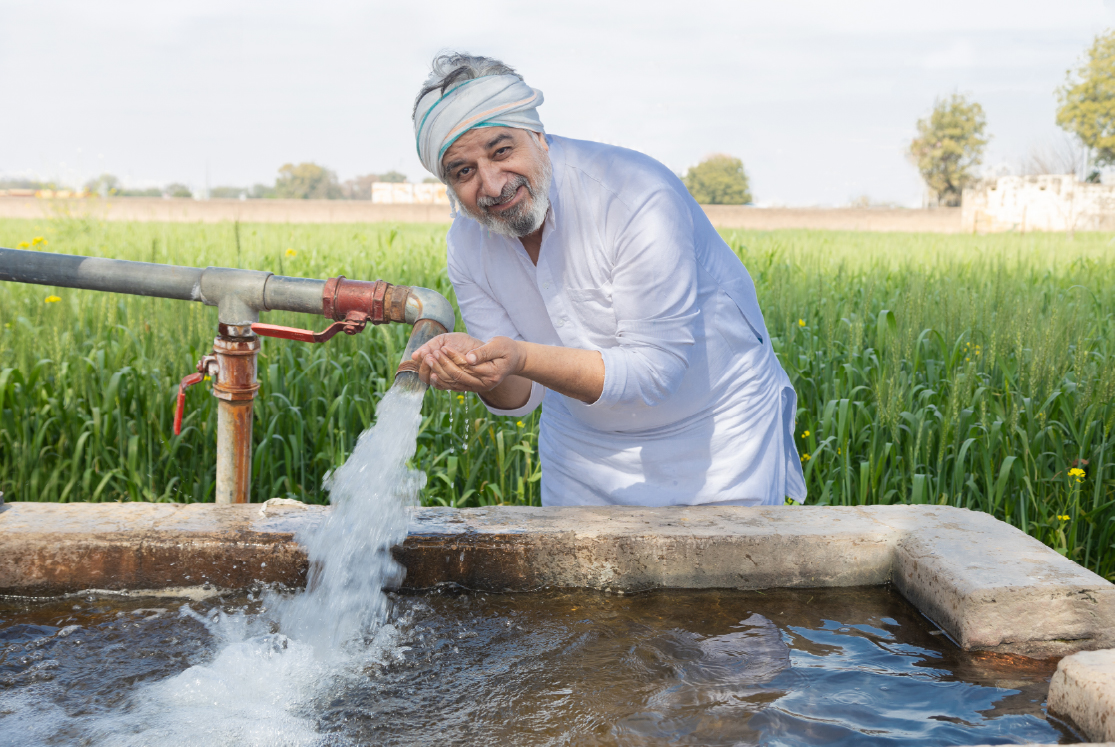
For farmers looking to build resilient operations, wastewater reuse is becoming an important component of modern sustainable agriculture water solutions.
4. Prevent Farm Water Pollution Through Better Waste Management
Prevention is often more effective—and less expensive—than treatment.
Many water quality problems begin with poor waste handling practices on farms. Fertiliser runoff, pesticide residues, animal waste, and soil erosion can all contribute to water contamination.
Farmers can cut down pollution risks by:
-
Applying fertilisers at recommended rates
-
Using integrated pest management techniques
-
Creating buffer zones near water bodies
-
Properly storing agricultural chemicals
-
Managing livestock waste responsibly
-
Maintaining drainage channels and sediment traps
These practices help protect local water resources while improving overall farm sustainability.
Good water quality is not only beneficial for the environment but also helps farmers grow healthier crops, improves soil conditions, and increases farm productivity.

5. Efficient Pumping and Irrigation Systems Help Maximise Water Productivity
Even the best water management plan can fail if water is not delivered precisely.
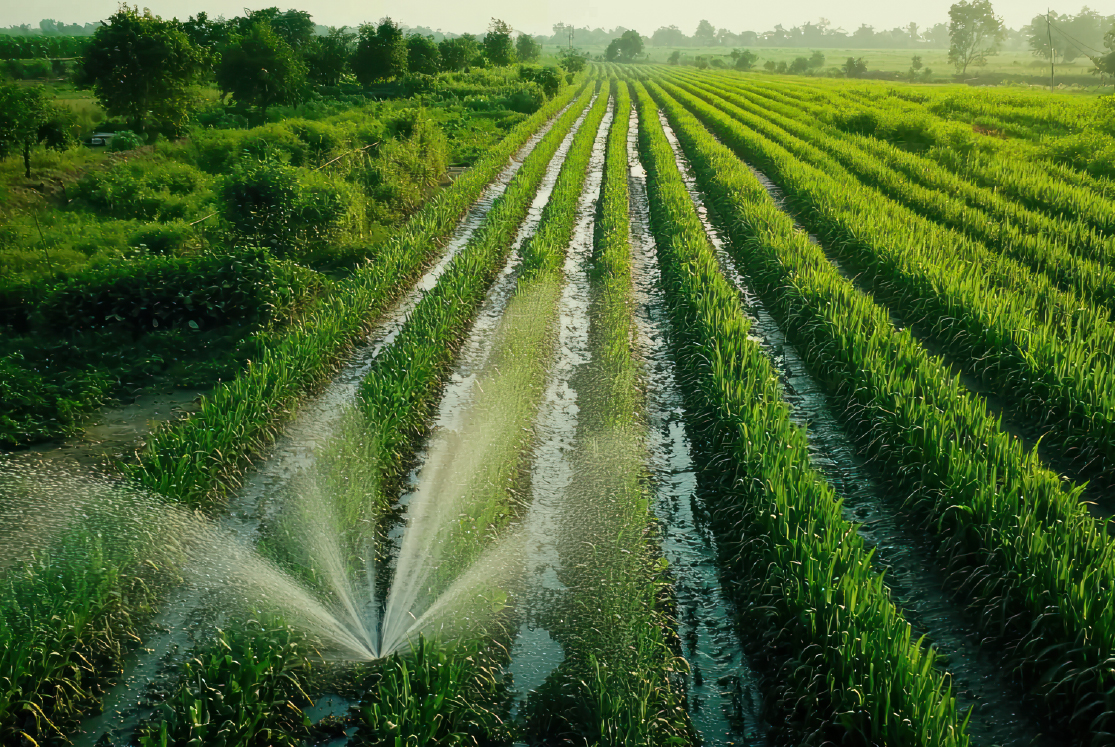
Modern irrigation water management in India increasingly focuses on reducing water losses during transportation and application. Efficient pumping systems help ensure treated and recycled water reaches fields reliably.
Farmers can also improve water productivity by:
-
Choosing energy-efficient pumps
-
Conducting regular maintenance of pipelines and irrigation networks
-
Adopting micro-irrigation or trickle irrigation where suitable
-
Monitoring water usage regularly
-
Scheduling irrigation based on crop requirements
Every litre saved translates into lower operating costs and improved resource efficiency.
Reliable pumping infrastructure becomes especially important when transporting treated wastewater from storage or treatment facilities to agricultural fields.
How Do Taro Pumps Support Sustainable Farm Water Management?
Effective water management requires dependable equipment. Whether farmers are drawing water from borewells, distributing irrigation water, or handling recycled water systems, reliable pumping solutions are critical.
With more than seven decades of engineering expertise, Taro Pumps provides robust and efficient pumping solutions designed to support Indian agriculture. High-performance pumps help farmers move water efficiently, reduce energy consumption (read power bills), and maintain consistent irrigation across varying field conditions.
As agriculture moves toward smarter and more sustainable water practices, dependable pumping systems remain a key part of successful farm water management.
The Future of Water-Smart Farming
Water challenges will continue to shape the future of Indian agriculture. Farmers who embrace agricultural wastewater management, invest in farm water treatment methods, and adopt efficient irrigation practices will be better positioned to overcome water scarcity and improve long-term productivity.
Wastewater is no longer simply a by-product of farming activities. With the right treatment, reuse, and management strategies, it can become a valuable resource that supports both agricultural growth and environmental sustainability.
The future belongs to farms that treat water not as an unlimited resource, but as an asset worth protecting, recycling, and using wisely.