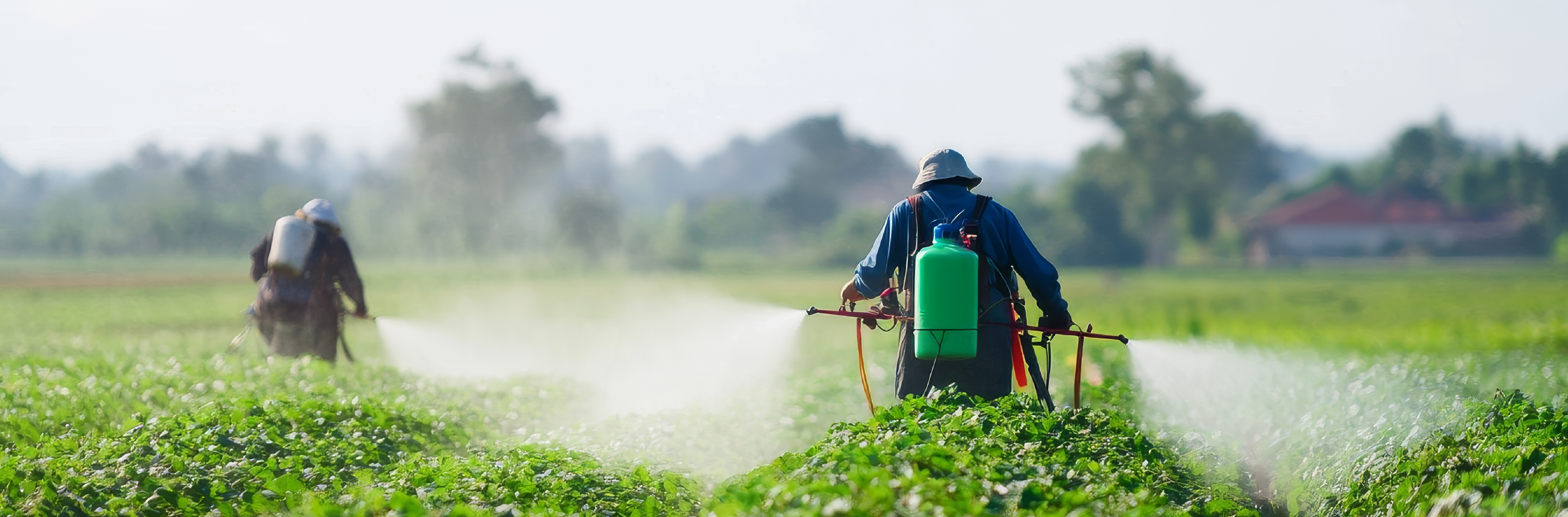


Integrated Pest Management in Indian Agriculture: Protecting Crops, Improving Yields
India's agricultural landscape is immensely diverse, with farmers cultivating everything from paddy and wheat to cotton, sugarcane, fruits and vegetables. However, one challenge remains common across regions, and different types of crops—damage caused by pests. Insects, fungi, weeds, rodents, and plant diseases can significantly reduce yields and impact farmers' incomes if left unmanaged.
Modern pest management is no longer about simply eliminating pests with heavy doses of chemical sprays. Today, Indian agriculture is steadily moving towards Integrated Pest Management (IPM), which is known for being an approach that combines prevention, monitoring and systematic or targeted methods that help not only protect crops but also minimise environmental impact.
Why Talk About Pest Management?
Pests are responsible for considerable crop losses every year. They not only reduce production but also affect crop quality, market value and storage life. To give you an idea of the scale: The Tea Research Association pegged a revenue loss of ₹2,865 crore per year & an annual crop loss of around 147 million kg due to pests and diseases.
Indian agriculture sector supports millions of livelihoods; therefore, effective pest management is necessary to ensure food security and sustainable farming. Changing weather patterns, increasing temperatures and irregular rainfall have also influenced pest populations, making timely monitoring and early intervention more important than ever.
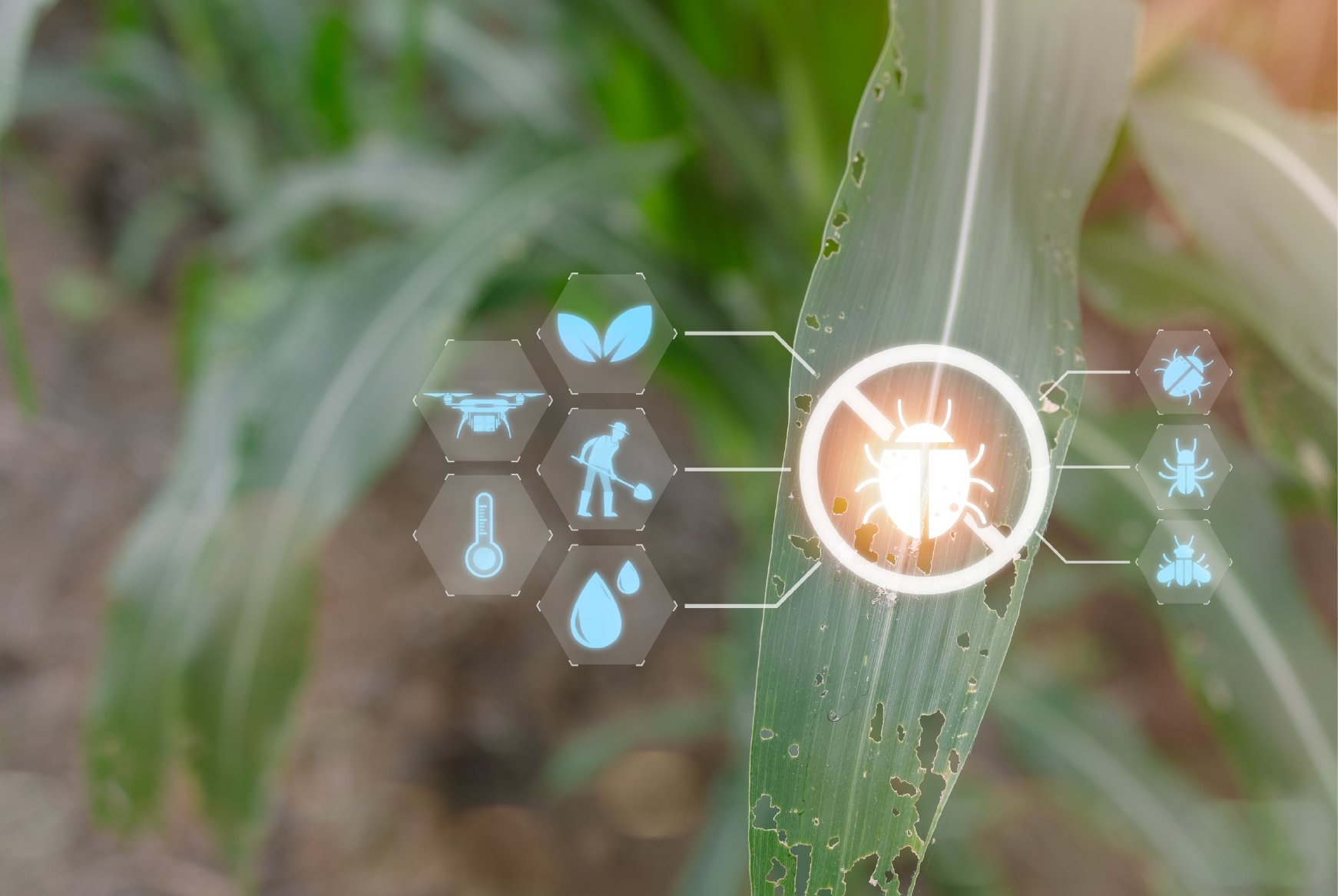
Common Agricultural Pests in India
Different crops attract different pests. Furthermore, pest attacks vary by season and region. For instance, paddy is more vulnerable to yellow stem borer between July and September. Whereas wheat may see more aphid attacks during December to February.
Some of the most common pests in India include:
- Stem borers in paddy
- Bollworms in cotton
- Fruit borers in tomato and chilli
- Aphids and whiteflies in vegetables
- Fall armyworm in maize
- Termites in sugarcane and groundnut
Early identification allows farmers to take corrective action before infestations spread across the field.
What is Integrated Pest Management (IPM)?
Integrated Pest Management is a scientific farming approach that combines multiple pest-control methods rather than relying solely on pesticides. The objective is to maintain pest populations below economically damaging levels while protecting beneficial insects, soil health and the surrounding ecosystem. It also adheres to most of the agroecological elements laid down by the Food and Agriculture Organisation.

As per information on the website of the Council on Energy, Environment and Water, there are 35 Central Integrated Pest Management Centres (CIPMCs) in over 28 states and 2 UTs to promote IPM in India.
The key principles of IPM include:
- Regular crop monitoring and holistic pest surveillance
- Selecting pest-resistant crop varieties
- Crop rotation and field sanitation
- Encouraging natural predators such as ladybird beetles and spiders
- Using biological controls wherever possible
- Applying pesticides only when necessary and in recommended doses
This balanced strategy reduces unnecessary chemical usage while maintaining healthy crop production.
Best Practices for Effective Pest Management
Monitor Crops Regularly: routine inspections of crops and soil help identify pest attacks in their early stages. Farmers should inspect all parts of the crop plants for signs of insect activity, eggs or disease symptoms.

Maintain Field Hygiene: removing infected plant material, weeds and crop residues reduces breeding grounds for many pests and diseases.
Use Water Efficiently: overwatering can encourage fungal diseases and certain insect infestations. Efficient irrigation practices help maintain healthy crops while reducing favourable conditions for pests. Reliable irrigation systems and well-maintained agricultural pumps also ensure crops receive the right amount of water at the right time.
Encourage Beneficial Insects: not all insects are harmful! For instance, ladybird beetles, lacewings, and parasitic wasps naturally control pest populations. Avoiding indiscriminate pesticide spraying helps preserve these beneficial species.
Apply Pesticides Responsibly: if & when chemical control measures become necessary:
- Use approved products
- Follow label recommendations
- Rotate pesticide groups to prevent resistance
- Wear appropriate protective equipment
- Avoid spraying during peak pollinator activity
Responsible pesticide use protects both crops and the environment. The latter is a useful outcome for the long term for any farmer.
Technology is Transforming Pest Management
Indian farmers increasingly have access to digital farming tools that improve pest management decisions. Mobile applications, weather forecasts, drone-based crop monitoring and AI-powered pest identification help detect problems earlier and recommend timely interventions.
Precision agriculture technologies also enable farmers to apply pesticides only where needed, reducing input costs and minimising environmental impact.
A Sustainable Way Forward
Sustainable agriculture depends on balancing productivity with environmental responsibility. Integrated Pest Management enables farmers to protect their crops while conserving soil health, biodiversity and water resources.
With growing awareness of crop management and the adoption of modern farming technologies becoming more accessible, IPM is expected to play an even greater role in improving agricultural productivity across India. By combining traditional farming knowledge with scientific practices, farmers can achieve healthier crops, better yields and more resilient farming systems for the future.
#InterestingInfo
- The ladybird beetle (ladybug) is called the ‘farmer's friend’ because it acts as natural pest control.
- Lacewings larvae are so aggressive towards their prey (aphids) that they have earned the moniker ‘aphid lions’.