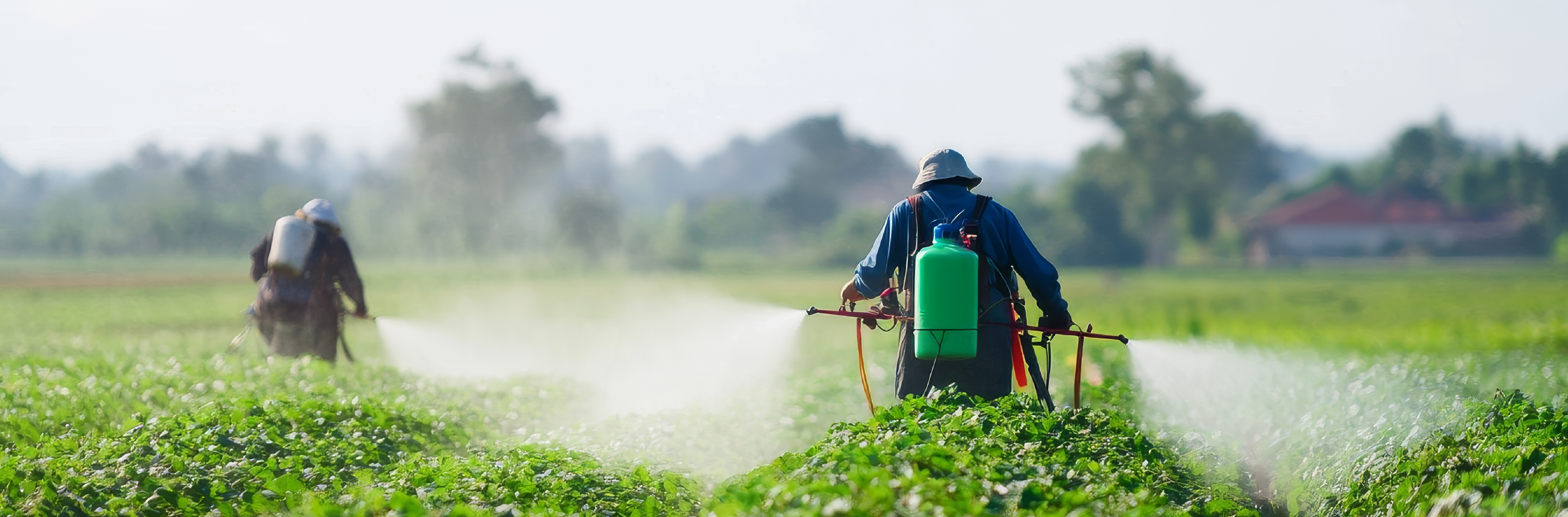


Why Agriculture CSR Projects in India are Important
CSR funding is critical for India’s agricultural sector, rural livelihoods, and climate-resilient farming. Whether it is rural development CSR or corporate farming support, it should help strengthen Indian farmers and agriculture infrastructure in multiple ways.
Why is there a need for CSR in Indian agriculture?
CSR or corporate social responsibility helps strengthen agriculture; the backbone of India; in diverse ways. A significant portion of India’s population depends on agriculture for their livelihood and almost everybody in India depends on agriculture for their ‘daily bread’.
On the other hand, agriculture must deal with challenges such as:
-
Climate change
-
Declining levels of soil fertility
-
Infrastructure development
-
Irrigation patterns
-
Income levels stagnation
-
Unpredictable rainfall & so on
Government schemes & public funding have been helpful in shoring up the sector, but CSR contributions can help plug gaps. It is pertinent to note that CSR contributions have been legally mandated under the Companies Act, 2013 and the private sector has taken cognizance of the fact that it can make a difference in agricultural stewardship.
What can CSR do in Indian agriculture?
Corporate roles in CSR have manifested themselves in many ways including:
-
Training farmers on multiple aspects related to farming including soil health management, financial awareness, latest trends in agriculture, and modern technology
-
Natural resources management including activities related to watershed development, water conservation, efficient irrigation methods, preserving groundwater, etc.
-
Market access is another CSR focus area which helps farmers deal with post-harvest challenges such as storage, logistics, financial bottlenecks, and supply chain management

It is true that CSR can impact almost every aspect related to agriculture. These activities help farmers become more resilient & gain access to everything that modern agriculture methods have to offer.
Why does CSR matter?
Rural communities & farmers can enjoy some very real benefits of CSR. Few of the main reasons why CSR matters are:
-
Reduced risks associated with natural resource availability & use
-
Improved livelihoods
-
Diversification of farming income
-
Managing environmental impact
-
Building better capacity
-
Meeting wider / larger goals such as food security & rural development
-
Aligning with national economic goals
-
Strengthening market linkages for small farmers
What next?
While we have established the usefulness of CSR in Indian agriculture, we must also be aware of the road ahead.
Data states that Rs 1.84 lakh crore of CSR funds have been disbursed in the period 2014-2023. But this figure spans multiple sectors including agriculture. Therefore, the precise allocation for the agriculture sector remains ambiguous. If one were to look at spaces such as ‘environment’ and ‘rural development’ (which include agri-related activities), then it can be said that CSR spending was in the vicinity of 10% and 7% respectively.
Thus, it is safe to say that CSR funding for agriculture in India is still at a small fraction of overall CSR plans. Perhaps companies are still not fully invested in the value of funding agriculture & allied activities.
Indian agriculture has crucial challenges, and Corporate Social Responsibility can deliver strongly effective solutions; when done right. Companies should not be looking at CSR as a compliance-driven exercise. Rural transformation, and agricultural empowerment can receive a huge boost with CSR when the corporate sector assumes the role of sustainable stewardship for Indian farmers.