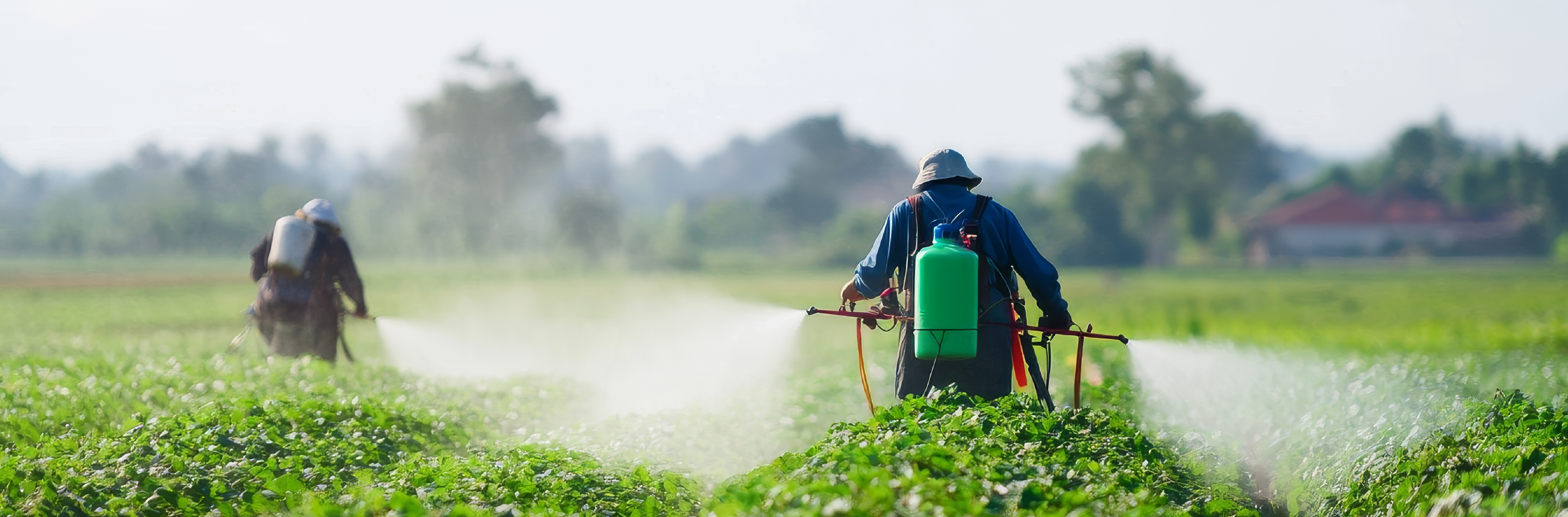


Protecting Crops: Farmers Vs. Agricultural Pests
A healthy harvest is an outcome that every farmer desires. For them, and for the nation itself, healthy crops are a result of hard toil, & a contributor to food security. There are quite a few challenges that farmers face during the process of producing food for the population. Few of the major threats / challenges include:
-
Climate change
-
Financial planning
-
Availability of resources
-
Agricultural pest management
Pests are small and often invisible too, but they take a huge toll on farm productivity. Agricultural pest control encompasses weeds, diseases, insects etc. that attack crops, and bring down yield.
Why is crop protection important?
A few years ago, it was reported that crop yield losses amount to 15 – 25% due to pests, weeds, rodents etc. This translates to anywhere between 0.9 to 1.4 lakh crores in financial terms. Add factors such as the farmer’s time & effort, money & other investments and we understand the enormity of this loss even more.
Crops have their own unique challenges when it comes to pests. For instance, bollworm damages cotton & pulses while fungal diseases affect wheat & maize the most. Rodents & birds cause damage at almost every level in the crop cycle – they can eat the seeds, and the harvested produce too. Beetles, weevils, rot, rust – these are just a few of the pests that attack crops.
It is therefore critical to protect crops to the best extent possible.
Methods of crop protection
For the longest period and continuing even now – farmers have turned to chemicals of various kinds to combat pests. Farmers also try other methods of protection such as:
-
Crop rotation
-
Developing pest-resistant varieties
-
Physical methods such as sticky paper traps, and pheromone traps
-
Bringing in natural enemies – for instance, ladybugs prey on aphids
-
Integrated pest management methods
Factors to consider
Indian agriculture is facing a growing threat with respect to pests. Therefore, there is a growing need for stronger, more comprehensive, and proactive strategies for pest management. Such strategies should include:
-
Import regulations
-
Sustainable control measures
-
Quick response to pest threats
-
Better risk assessment & action
-
Interdisciplinary collaboration
-
Harnessing modern technology
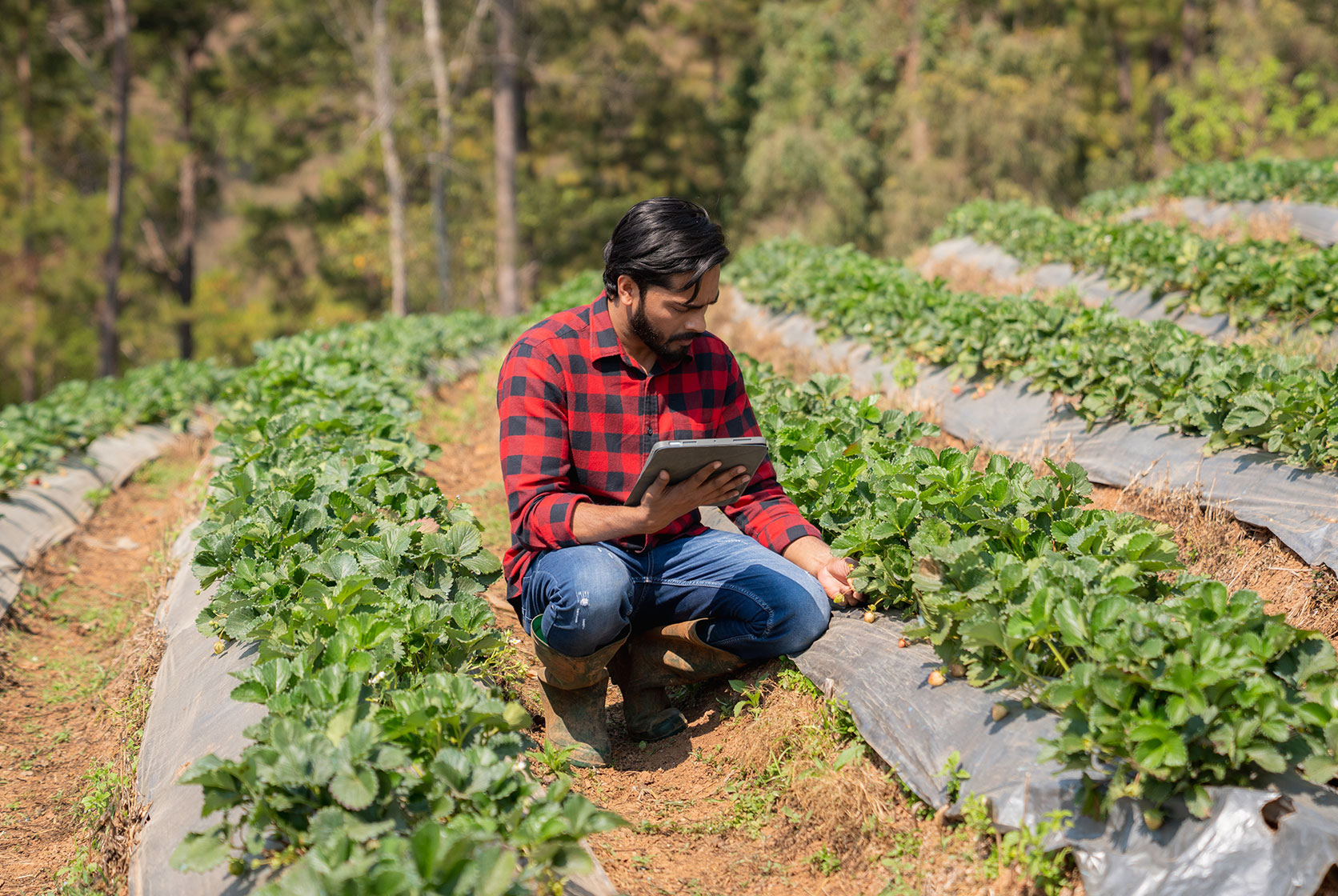
It is interesting that India is planning on using high-tech solutions for pest management. For instance, AI-driven pest detection has been launched in a limited manner in 2024. The National Pest Surveillance System (NPSS) relies on both, AI & Machine Learning, to help farmers combat diseases & pests. Early detection combined with timely guidance can go a long way in helping farmers fight the good fight.
There are quite a few government initiatives & institutions working in this realm. Researchers at Indian Council of Agricultural Research (ICAR) work in multiple ways to identify & combat pests. There is also the National Bureau of Agricultural Insect Resources (NBAIR) which is mandated to collect, document, research on, and further ‘insect-derived resources’ to promote sustainable agriculture.
Finally, it is also important to note that pest control strategies must evolve constantly since newer challenges emerge constantly too. For instance, while yellow rust and white have been around for a while now, rugose spiraling whitefly & fall armyworm have emerged as new threats.
#InterestingInfo
-
In 2022, India imported wasps from Africa to combat mealybug infestation.
-
Rice, a staple crop of India, has more than 100 pests.