

Oilseed Crops in India: Powering the Economy
Oilseed production in India contributes to our country’s economic, & agricultural scenarios. When it comes to crop economics, oilseeds account for around 3% of the country’s GDP, and 10% of the value of all agricultural commodities. A while ago, we wrote about the Yellow Revolution & it could be relevant now to see what India is doing when it comes to oilseed processing technology.
Indian oilseed varieties
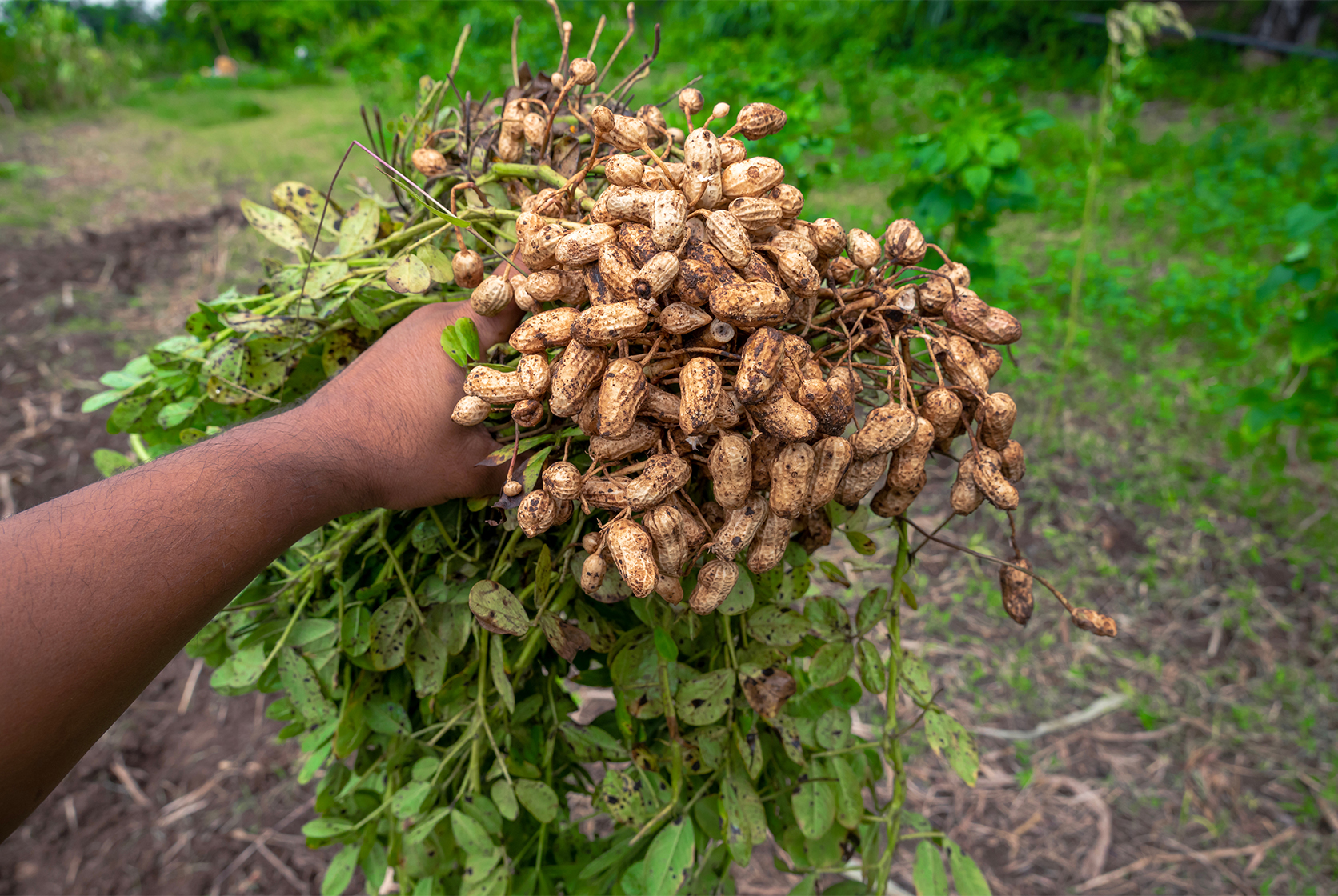
Gujarat, Andhra Pradesh, Karnataka, Tamil Nadu, Rajasthan, Haryana, & Uttar Pradesh are few of the states that contribute the biggest share of oilseeds. Some of the main varieties that India grows are peanut, mustard, sesame, castor, sunflower, and soybean. Peanut, soybean, mustard, and sunflower are primary crops that contribute the most to GDP.
Secondary sources of oil include:
-
Cottonseed
-
Rice bran
-
Tree-borne oilseeds like neem, mahua
-
Oil palm
Government initiatives
Over the last few decades, initiatives such as the National Food Security Mission (Oilseeds), & National Mission on Oilseeds and Oil Palm (NMOOP) have aimed at boosting oilseed output and promote aspects such as:
-
Develop high-yield varieties
-
Improve oilseed processing technology
-
Integrated pest management
-
Reducing import dependency etc.
The Technology Mission on Oilseeds (TMO) was established in 1986. The TMO helped increase oilseed production by introducing new crop production technologies, extension services support for marketing, post-harvest technologies etc. TMO was merged into the Integrated Scheme of Oilseeds, Pulses, Oil Palm and Maize (ISOPOM) in 2004 and then evolved into the National Food Security Mission (NFSM) under the Ministry of Agriculture & Farmers Welfare.
Importance of oilseeds
Globally, India is at the fourth position in terms of oilseeds production – thanks to having 20.8% of the total area under cultivation. But despite domestic output, we import edible oils in large quantities too. Around 57% of imports help meet our country’s demand for palm, soybean, and sunflower oil. Indonesia, Malaysia, & Argentina are few of the countries that export to us.
Few of the main reasons that necessitate imports include:
-
Low productivity due to dependence on rainfall
-
Fragmented landholdings
-
Need for more mechanisation
-
Smaller amount of land available for oilseed production
Current scenario & road ahead
Along with importing edible oils, India is one of the largest oilseed exporters too. In 2019, India exported mustard seeds to the tune of USD 19 million. Groundnut, and sesame seed oils are also exported to countries such as Vietnam, Philippines, Indonesia, and Germany to name just a few. Oilseed production for 2024-2025 is estimated to be around 41.6 million tonnes. The major ‘players’ for this production figure are soybean, rapeseed-mustard, and groundnut.
Rajasthan, Madhya Pradesh, Gujarat, and Maharashtra are the top oilseed producing states. India has seen consistent growth in oilseed production with a CAGR of 5.8% from financial year 2016 to 2024.
With the launch of the National Mission on Edible Oils, India is aiming to ramp up domestic oil production to 70 million tonnes by 2031. Considering that the current production is around 39 million tonnes, this is an ambitious mission indeed.
Finally, it is pertinent to say that oilseeds are not just crops – they provide rural employment, boost nutritional security, and promote agro-industrial growth too. India can move strongly towards self-sufficiency, and better production by focusing on farmer participation, policy support, & adoption of the right innovations & technologies.